
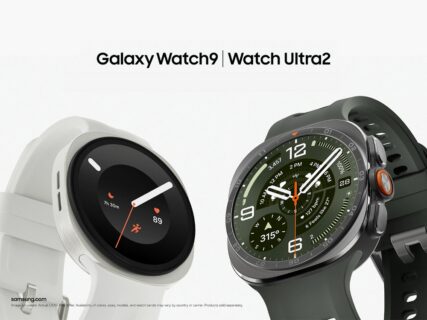
Samsung has refreshed its premium smartwatch portfolio with the launch of the Samsung Galaxy Watch Ultra 2 and Galaxy Watch 9. Interestingly, there is no Classic model this time. Instead, Samsung is focusing on two distinct user groups—those looking for a rugged adventure-focused smartwatch and those wanting a slimmer, everyday wearable.
Image 1: Samsung Galaxy Watch 9 and Ultra 2
Smart Analytics Global View: Premium Smartwatches Continue to Gain Momentum
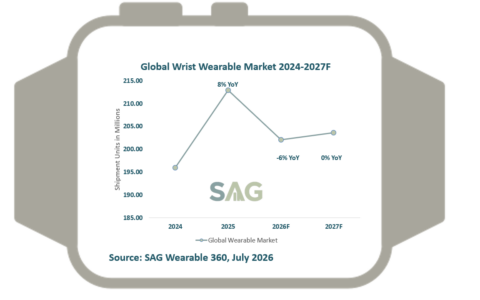
According to Smart Analytics Global, the global wrist wearable market is forecasted to decline 2% YoY in 2026, primarily driven by declining shipments of basic smartwatches and basic bands. However, the premium end of the market continues to remain resilient. Both non-display bands and true smartwatches are forecasted to register growth during the year.
Image 2: SAG Global Wrist Wearable Market 2024-2027F
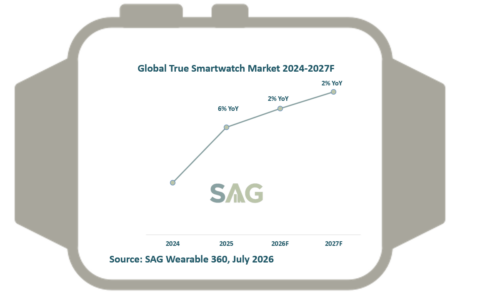
The true smartwatch segment, where the Samsung Galaxy Watch 9 and Galaxy Watch Ultra 2 compete, is forecasted to grow 2% YoY in 2026. Samsung is expected to account for 10% of the global true smartwatch vendor share, reinforcing its position as one of the leading players in the premium smartwatch segment.
Image 3: SAG True Smartwatch Market 2024-2027F
Against this backdrop, Samsung’s latest smartwatch strategy appears well aligned with market demand. The company is strengthening its premium portfolio with meaningful improvements in battery life, processing power, durability, and AI-driven health features.
Samsung Galaxy Watch Ultra 2: Bigger Battery, Qualcomm Chipset, and a Stronger Focus on Health
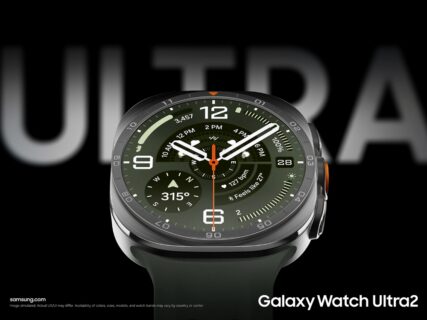
Samsung Galaxy Watch Ultra 2 is a big upgrade this time compared to the one launched in 2024. One of the biggest upgrades is the battery jumping from 590 mAh to 800 mAh. That 210 mAh increase makes a lot of sense.
Image 4: Samsung Watch Ultra 2
Battery life on true smartwatches like Apple or Samsung has always been a pain point. You end up charging them every day, unlike non-display bands or basic watches, mostly because of all the software and smart features. So, an 800 mAh battery could solve that problem, at least to some extent.
The second major upgrade is the move to Qualcomm for the chipset. Earlier, the Watch Ultra used an Exynos processor, but now Samsung has shifted to the Snapdragon Wear Elite, Qualcomm’s premium chipset for wrist wearables. We believe this will make the watch even smoother. We are yet to use it, but the performance and battery optimization should improve significantly.
The Galaxy Watch Ultra 2 continues to be designed for a rugged lifestyle. It is built to withstand extreme conditions and also supports diving as one of its key use cases. It remains Samsung’s most advanced smartwatch for users looking for durability along with premium smartwatch capabilities.
Health, of course, continues to be the core focus. Sleep Apnea detection joins step counting, heart rate monitoring, and all the basics that were already there. The interface is also more skewed towards health, which aligns with why most people buy true smartwatches in the first place. Personally, I have been liking the interface on the Watch Ultra, and I expect Ultra 2 to be similar or even better.
One thing we would have liked, though, is a second smaller size option. Right now, the watch is huge. For women with smaller wrists or men with a smaller build, it can look oversized. Everyone has their own preference, of course, but two size options would have made it more inclusive. To be fair, Samsung has made the watch slimmer, and that is a welcome improvement, but another size option would have made the lineup even better.
Samsung Galaxy Watch 9: A Sophisticated Smartwatch for Everyday Wear
The Samsung Galaxy Watch 9 takes a different approach. Rather than targeting adventure users, it is positioned as a more sophisticated smartwatch for everyday wear.
Image 5: Samsung Galaxy Watch 9
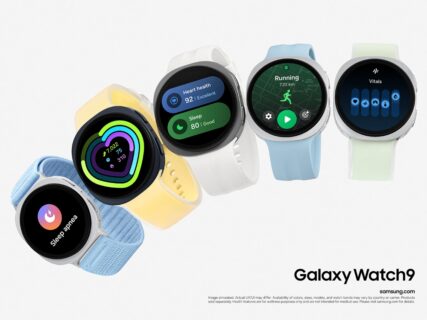
The watch is slim, lightweight, fits the wrist pretty compactly, and provides all-day comfort, making it a better choice for users who wear their smartwatch throughout the day.
On the specifications front, the Galaxy Watch 9 features a 3,000-nit display, a 390 mAh battery, and is powered by the Snapdragon Wear Elite platform.
Similar to the Ultra 2, Samsung has built the Watch 9 around AI-powered health and fitness capabilities. The watch focuses heavily on health vitals and offers features such as sleep apnea tracking, heart health score, daily cardio load, fitness index, and alerts users when unsafe noise levels are detected to help protect long-term hearing.
Overall, the Galaxy Watch 9 is designed for users who want the full smartwatch experience in a slimmer and more elegant form factor without compromising on Samsung’s latest health features.
Samsung’s AI Ecosystem is Expanding Beyond the Watch
While Samsung didn’t formally unveil its AI smart glasses at today’s event, it did tease that Samsung watches will act as the controller and companion device for the upcoming AI smart glasses. This indicates smartwatches will play an increasingly important role in Samsung’s connected device and AI ecosystem in the future. Rather than being just a health and fitness wearable, the smartwatch is gradually evolving into a central hub for Samsung’s broader AI experiences.
Pricing and Market Outlook
The Samsung Galaxy Watch 9 starts at US$379.99, around US$30 higher than its predecessor. On the other hand, the Galaxy Watch Ultra 2 is priced at approximately US$649.99, roughly US$50 higher than the previous generation.
Despite the price increase, we believe the Galaxy Watch 9 non-cellular variant will account for the majority of shipments, followed by the Galaxy Watch 9 cellular model. The Galaxy Watch Ultra 2, given its premium positioning and rugged design, is expected to remain a niche product catering to enthusiasts, outdoor users, and consumers looking for Samsung’s most advanced smartwatch experience.
No Classic Model This Time
One notable change in Samsung’s smartwatch strategy this year is the absence of a Classic model. Instead, Samsung has simplified the portfolio by focusing on the Galaxy Watch Ultra 2 for users looking for a rugged, feature-packed smartwatch and the Galaxy Watch 9 for those who prefer a slimmer, everyday wearable.
This strategy also aligns well with the direction of the broader smartwatch market. As the entry-level wearable segment slows down, Samsung is doubling down on premium true smartwatches where consumers are increasingly valuing better battery life, AI-powered health tracking, premium performance, and differentiated user experiences.
Conclusion
Overall, Samsung’s strategy this year appears to be centered around four key pillars: better battery life, Qualcomm’s premium wearable platform, deeper AI-powered health tracking, and different form factors for different user needs. In our view, this positions Samsung well to strengthen its portfolio. The teaser around AI smart glasses further suggests that Samsung views the smartwatch as a key interface for its future AI ecosystem, making the Galaxy Watch lineup increasingly important beyond health and fitness alone.