Samsung has recently launched the Galaxy A27 in India as the successor to the Galaxy A26, which was introduced last year. The smartphone comes with a 6.7-inch FHD+ Super AMOLED display with a 120Hz refresh rate, Qualcomm Snapdragon 6 Gen 3 (4nm) processor, a 50MP primary camera with OIS, a 5MP ultra-wide camera, a 2MP macro camera, a 12MP selfie camera, a 5,000mAh battery with 25W fast charging, and Android 16 out of the box. Samsung is also promising six years of OS and security updates.
While the Galaxy A27 brings several meaningful upgrades over its predecessor, not every aspect has improved. Samsung has retained some specifications, upgraded a few key areas, and also made selective compromises to keep the device competitively priced.
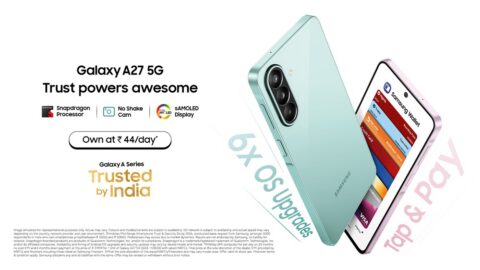
Image 1: Samsung Galaxy A27 5G
What Has Improved?
One of the biggest upgrades on the Galaxy A27 is the new Infinity-O display. The smaller selfie camera cutout provides users with a larger uninterrupted viewing area, resulting in a cleaner and more immersive display experience.
Another notable improvement is the move to Qualcomm’s Snapdragon 6 Gen 3 processor. The Galaxy A26 was powered by an Exynos chipset, whereas the Galaxy A27 adopts Snapdragon, which is likely to be welcomed by many consumers who prefer Qualcomm’s platform.
What Remains the Same?
Samsung has retained the 5,000mAh battery capacity and 25W fast charging support on the Galaxy A27. While there is no increase in battery size, the existing capacity continues to offer a balanced battery experience for mainstream users.
Where Has Samsung Made Compromises?
The Galaxy A27 also sees a few downgrades compared to the Galaxy A26. The ultra-wide camera has been reduced from 8MP on the Galaxy A26 to 5MP on the Galaxy A27. In addition, the ingress protection rating has been lowered from IP67 water and dust resistance to IP64 splash resistance.
In our view, these trade-offs are largely driven by the ongoing increase in memory prices. Rising memory costs have forced smartphone vendors to carefully optimize their bill of materials across different price segments. Samsung appears to have balanced these higher component costs by upgrading the processor and display experience while making compromises in areas such as the ultra-wide camera and ingress protection. This strategy has helped prevent an even steeper price increase, although the Galaxy A27 is still priced around INR 5,500 higher than the Galaxy A26.
Financing Plays an Increasingly Important Role
Beyond the hardware, Samsung is also focusing on affordability through multiple financing options. The Galaxy A27 is available with a 24-month installment plan through select NBFC partners, where customers are required to pay an upfront amount equivalent to around eight months of installments. Some NBFCs are also offering zero down payment options with repayment tenures of up to 15 months. In addition, buyers can opt for a nine-month no-cost EMI plan through eligible financing partners.
Samsung also continues to leverage its in-house Samsung Finance+ platform, which enables pre-approved credit for eligible customers using their PAN and KYC details. This simplifies the financing process and improves accessibility for consumers purchasing smartphones through offline retail channels.
At Smart Analytics Global (SAG), we believe financing options are becoming increasingly critical for driving smartphone sales in the entry and mid-range segments. As smartphone prices continue to rise due to higher component costs, affordability is becoming one of the key purchase drivers. Samsung is well positioned to capitalize on this trend, supported by its extensive distribution network and its long-standing presence in the consumer financing ecosystem.
Final Thoughts
The Galaxy A27 reflects a broader trend that is becoming increasingly visible across the smartphone industry. OEMs are no longer able to improve every specification with each new generation. Instead, they are becoming more selective, prioritizing the features that matter most to consumers while making calculated trade-offs to manage rising component costs.
With the Galaxy A27, Samsung has chosen to improve the display experience and processing performance while making compromises in selected hardware areas. Combined with its strong financing ecosystem and wide offline reach, the company is attempting to offset rising prices and keep the device accessible to a wider base of consumers. This strategy is likely to become increasingly common across the industry as component cost pressures continue over the coming quarters. The main banner of Samsung Galaxy A27 also adopts a smart strategy to show per day price of INR 44 (USD 0.46) to create a psychological comfort for the buyers.
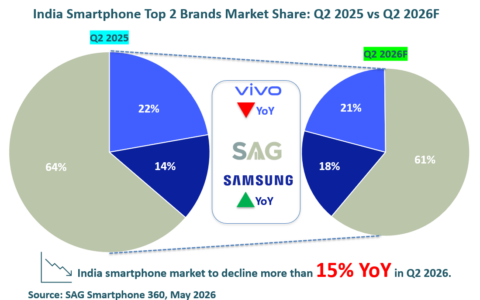
SAG forecasted Q2 2026 India smartphone shipments to decline close to 20% YoY, as memory shortages and component-led price hikes begin to weigh more visibly on both global and Indian smartphone demand. While most major Chinese vendors were projected to witness sharp YoY shipment decline, Samsung was forecasted to grow 4% YoY during Q2 and A series shipment had a key role to play.
Exhibit 1: India smartphone top 2 brands market share: Q2 2025 vs Q2 2026